Gambling Addiction Recovery, Harj Gahley's Story
He gambled away a quarter of a million pounds and nearly didn't survive finding that out about himself
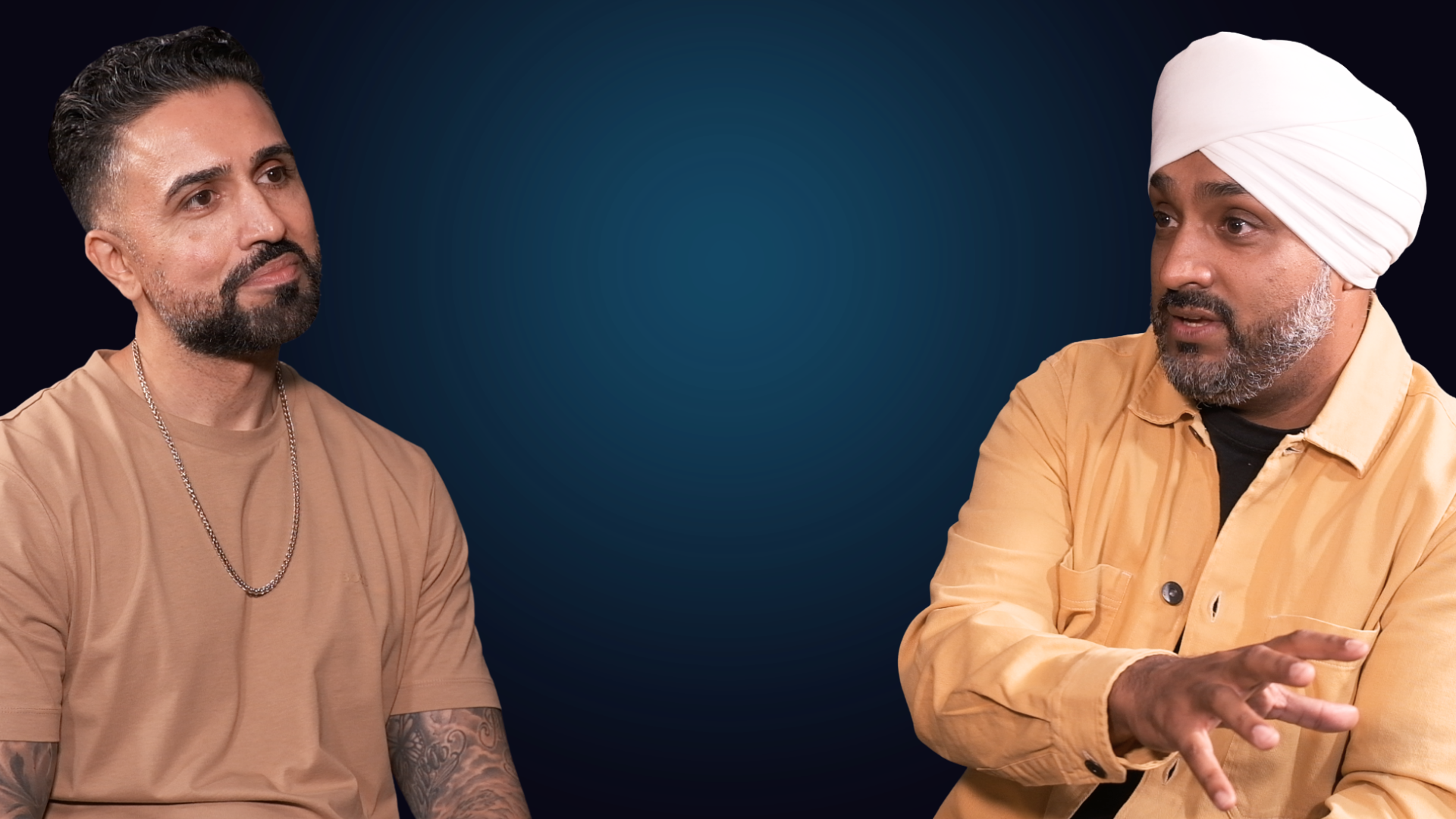
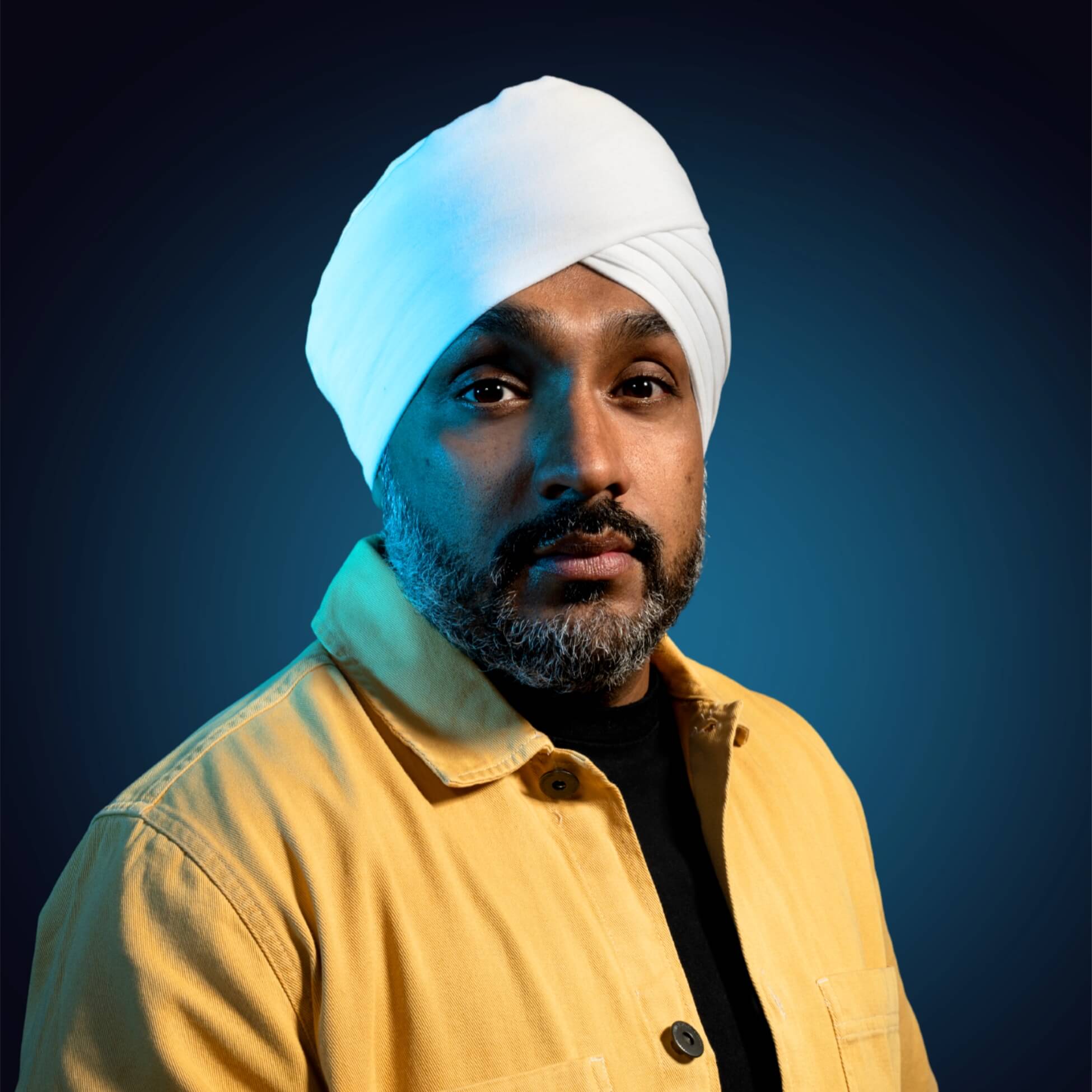
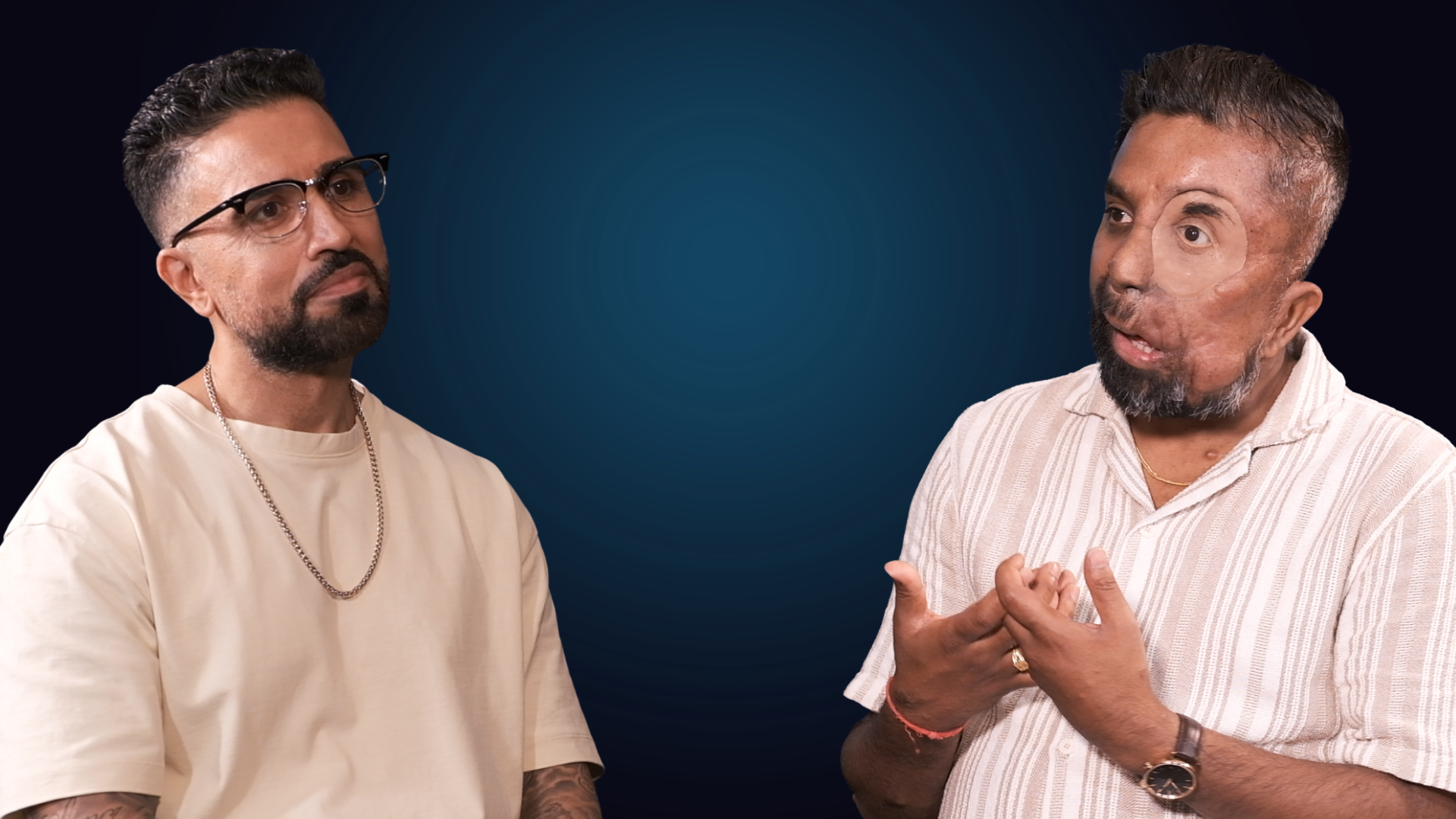
Harj Gahley grew up in a Punjabi household where his father's drinking shaped nearly every family occasion, and by his early twenties he had built and sold his first business, a student networking platform that grew to 65,000 users. What followed was twelve years of secret gambling that took him from casinos to bookmakers to betting apps, run alongside a six figure corporate career and a marriage his wife knew nothing about.
The debt reached £250,000 before his wife found the transactions on his phone, and weeks later Harj attempted to take his own life on the M1. He credits his young son, Jieven, with pulling him back from that point, recalling the moment that changed everything, "It's what he said, also how he made me feel that broke me down. He said, dad, I'm so lucky."
Harj has since gone public with his recovery, sharing his story to reach South Asian men in particular, a community he says treats addiction as a source of shame rather than something to be supported through. He is now building a gambling recovery charity aimed at South Asian communities, offering culturally informed support in multiple South Asian languages.
Quotes
"He saved my life that day. He genuinely saved my life because he made me keep a promise to myself that I won't share."
This Episode Is About
Harj Gahley sits down with The Dad Project to talk through twelve years of hidden gambling addiction, the £250,000 debt it left behind, and the night his wife found out.
He walks through what compulsive gambling actually does to a person, the lying, the borrowing, the mask worn at work the morning after losing thousands in a toilet cubicle, and how close he came to ending his life on the M1 two days before a moment with his son changed his direction.
The conversation moves from casinos and betting apps into temple, therapy and the NHS, and lands on what Harj now believes men actually need in order to ask for help.
Who This Episode Is For
Men hiding an addiction
Fathers carrying old guilt
South Asian men facing shame
Anyone scared to ask for help
Partners of someone in addiction
What You'll Takeaway
Addiction runs on highs and lows, not size of win
Compulsive gamblers become compulsive liars
Shame protects image, not the person
The first person you ask isn't always the right one
One moment with a child can outweigh years of ruin
Recovery starts with action, not willpower
Trauma passes through what parents don't process